Skincare on the Go: Keep Your Skin Glowing While Traveling
August 16, 2021
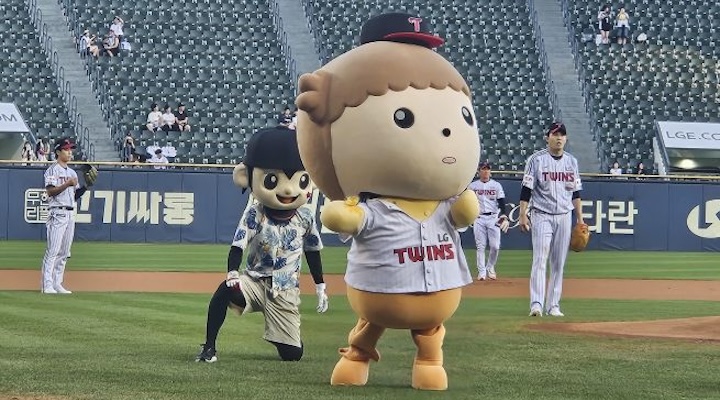
Emotional Appeal Drives Character IP Marketing Boom in South Korea
August 16, 2021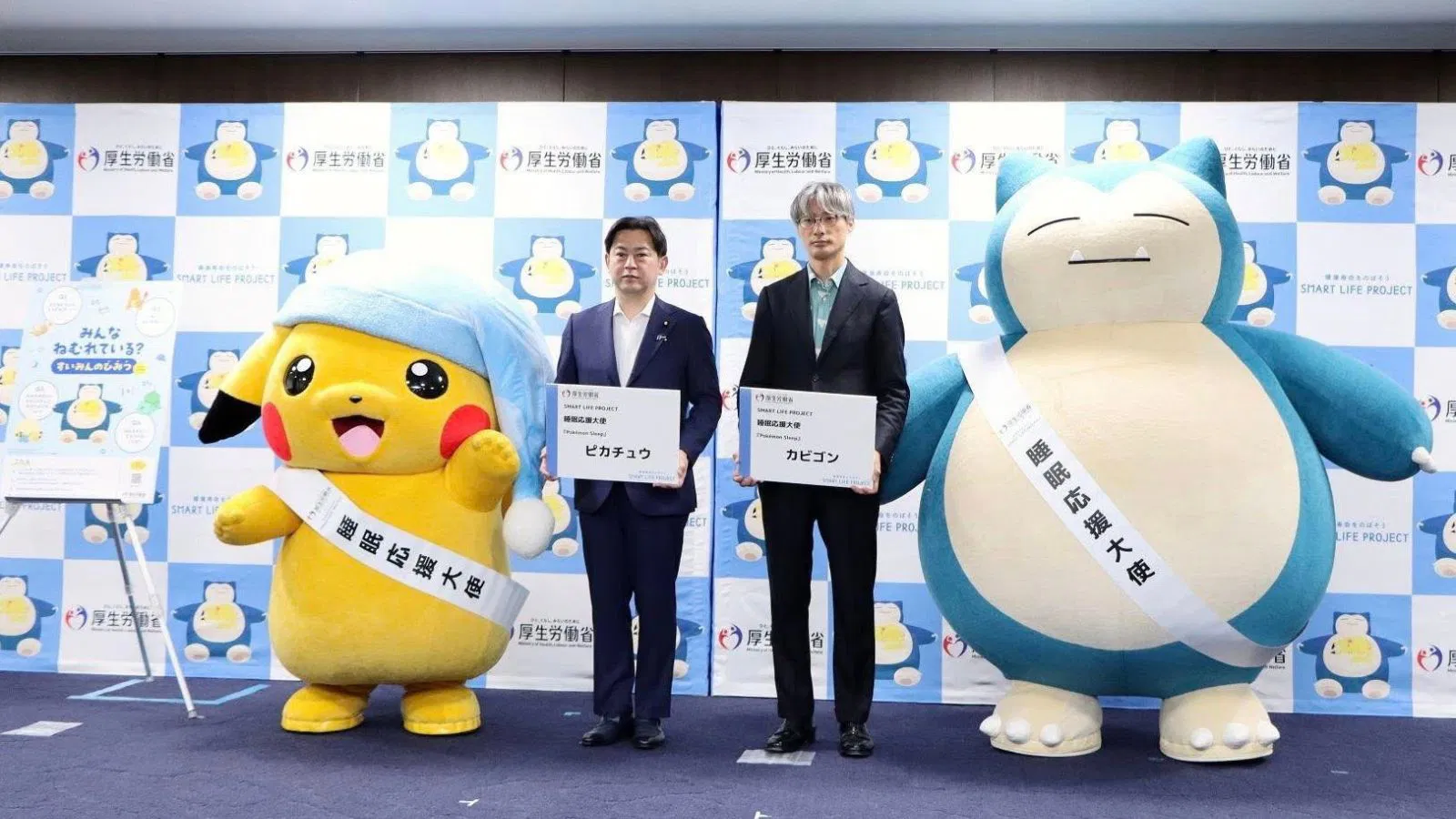
Key Facts
-
Japan’s Ministry of Health, Labour and Welfare has appointed Pikachu and Snorlax as official “sleep-support ambassadors” as part of a nationwide campaign to encourage healthier sleep habits. The Star+3日本テレビ+3The Straits Times+3
-
This partnership builds on the success of the Pokémon Sleep app, a gamified sleep-tracking application published by The Pokémon Company. Wikipedia+2AUTOMATON+2
-
According to recent data, users of the app in Japan are now getting about 7 hours 10 minutes of sleep on average, up from about 6 hours 38 minutes previously — a noticeable improvement. AUTOMATON+1
-
A study using data from the app linked irregular sleep patterns to an estimated ¥1 trillion (~US$7 billion) annual productivity loss in Japan. Japan Anime News powered by ORICON NEWS
What the Campaign Involves
-
Pikachu (wearing a nightcap) and Snorlax (well-known for its sleeping theme) visited the ministry and officially received their ambassador appointments on June 26, 2025. 日本テレビ+1
-
The characters will feature in public awareness events, promotional materials and collaborations designed to make the idea of getting enough quality sleep more accessible and fun — especially for children and families. Marketing-Interactive+1
-
The aim is to shift cultural habits and raise awareness: for example, the ministry recommends 9-12 hours of sleep for elementary school children and 8-10 hours for junior and high school students. asianews.network+1
Why This Matters
-
Japan has long faced challenges with sleep duration — the national average is among the lowest in OECD countries. The Japan Times+1
-
Using widely recognised characters like Pikachu and Snorlax helps bridge the gap between public health messaging and everyday behaviour. The fun, familiar mascots make sleep hygiene less of a chore and more of an engaging lifestyle choice.
-
The gamified approach (via the Pokémon Sleep app) adds incentives and measurable tracking — encouraging people not just to know they should sleep more, but to actually do something about it. Data shows measurable improvements in sleep hours.
Broader Implications
-
The campaign represents a growing trend of health policy intersecting with entertainment and technology: using beloved pop-culture IP to make public health messaging more effective and relevant.
-
For other countries and brands, this kind of crossover offers a template: engaging ambassadors + interactive tools + behavior data = potential for real impact.
-
It also highlights how sleep is no longer just a personal matter — it touches productivity, health costs, mental wellbeing and national outcomes.