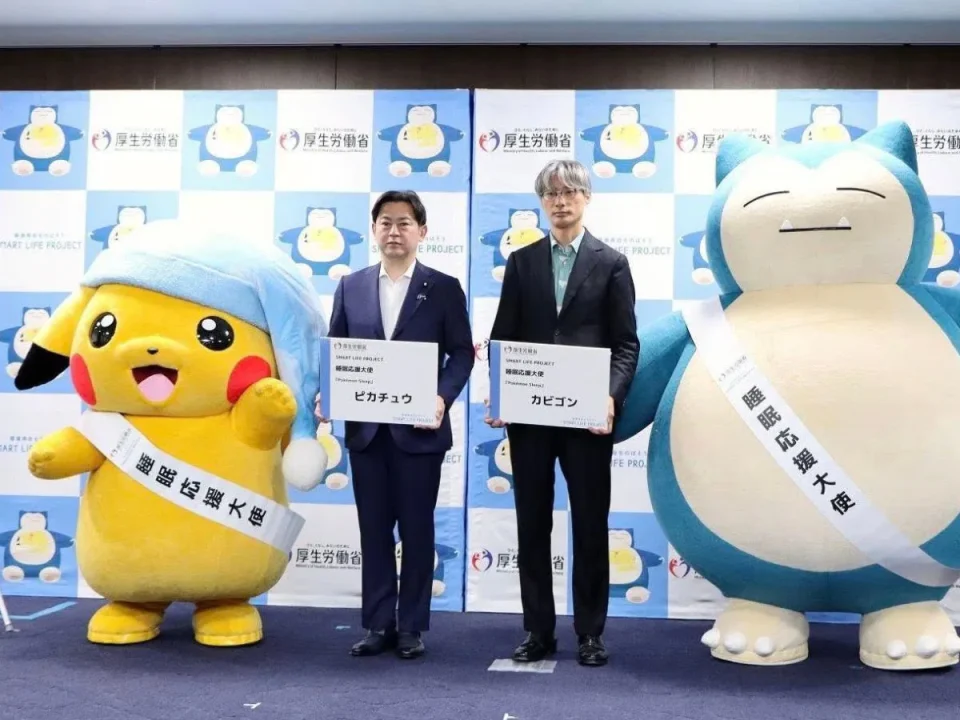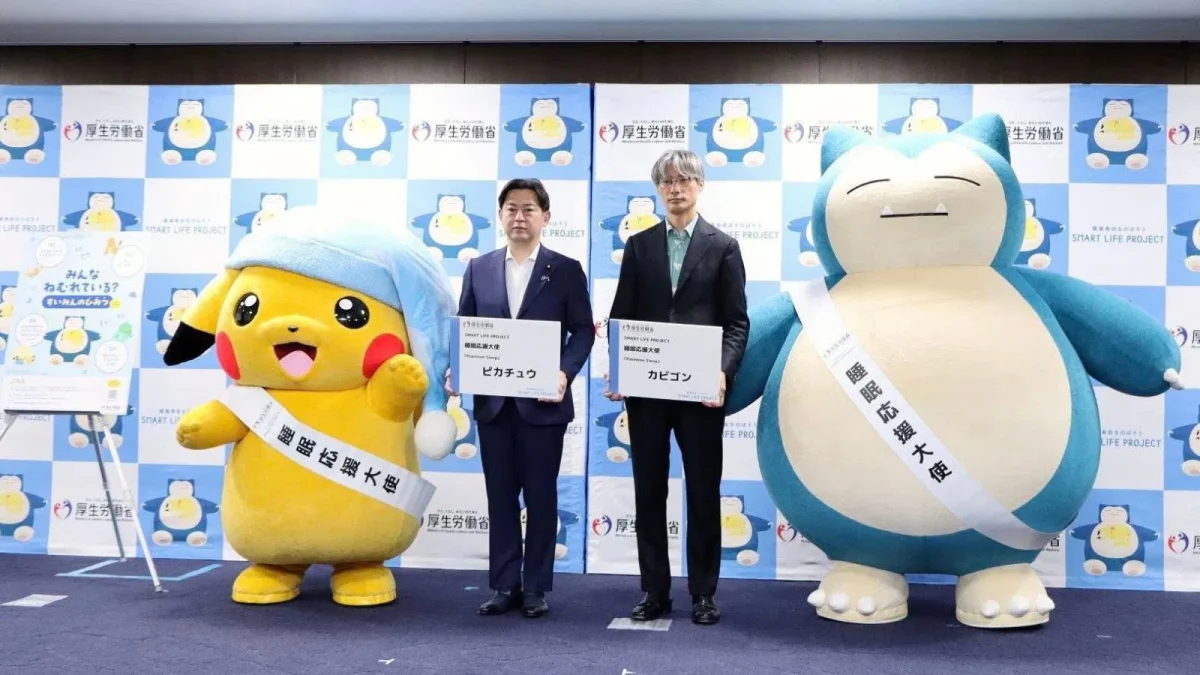
Pokémon joins Japan’s sleep campaign to promote sleep health
August 16, 2021
Go with the Flow: Malaysia’s Must-Visit Waterparks for All Ages
August 18, 2021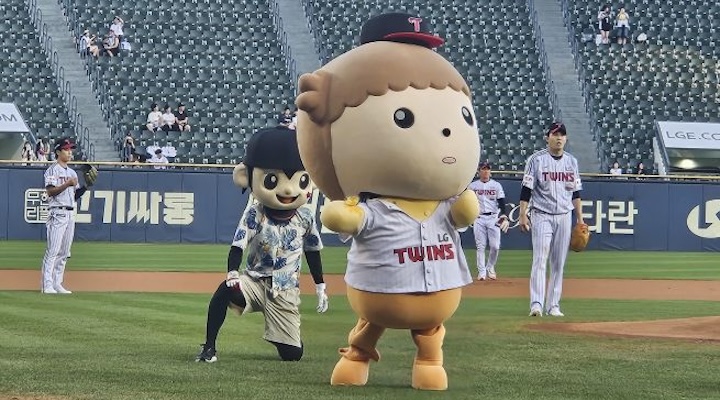
South Korea’s retail and consumer goods sectors are increasingly embracing character-based intellectual property (IP) marketing to boost engagement and drive sales, marking what experts are calling an era of “emotion-driven consumption.”
As consumers seek comfort and nostalgia amid ongoing economic uncertainty, brands are leveraging familiar and whimsical characters to forge deeper emotional connections and encourage spending.
According to a 2024 report by the Korea Creative Content Agency, nearly 69% of Korean consumers aged 10 to 69 said that characters influence their purchasing decisions — a 3.5 percentage point increase from the previous year and part of a steady upward trend since 2021. On average, consumers spent ₩66,169 per character-related purchase, with about 6.5 such transactions annually.
Character tie-ins now span every category — from food and fashion to convenience store goods and collectibles. Lotte Home Shopping’s original character “Bellygom” has become one of the country’s biggest homegrown IP successes, generating over ₩20 billion in revenue since its 2022 debut. The campaign also helped Lotte attract younger customers, expanding beyond its traditional 50s–60s demographic.
Similarly, CJ CheilJedang’s “Mansikzzang” — a cheerful mascot promoting Bibigo dumplings and Silbi kimchi on social media — has helped modernize the brand’s image.
Convenience stores are leading the collaboration trend. GS25’s “Blue Archive Special Ramen,” created with Nexon’s mobile game, sold over 130,000 units in 10 days, while CU’s “Catch! Teenieping Ramen” moved 250,000 units within weeks, sparking 21 more collaborative product launches soon after.
Pop-up stores are also fueling the craze. Shinsegae Department Store’s Snoopy-themed pop-up, launched in Gangnam in April, expanded nationwide in May to celebrate the beloved character’s 75th anniversary with exclusive merchandise.
Character IPs particularly resonate with Gen Z and millennials, who value collectibles, stickers, and accessories linked to gacha culture. Meanwhile, “kidults” — adults indulging in childhood nostalgia — continue to drive emotional purchases, even during economic slowdowns.
Beyond emotional appeal, IP collaborations offer brands cultural versatility. Recognizable characters transcend language and regional barriers, providing Korean companies with an easier path to global expansion.
However, IP marketing comes with challenges. Trends can shift rapidly, and maintaining novelty is key to long-term success. Characters that lack compelling stories or emotional resonance often fail to sustain audience interest.
A notable example is Shinsegae Group’s “Jililla,” inspired by vice chairman Chung Yong-jin’s online persona. Despite early viral success, its spin-off bakery brand, Universe by Jililla — launched in 2021 with a quirky “bread from Mars” theme — closed in November 2024, with its social media going dark in early 2025.
Despite risks of overreliance on licensing and potential brand dilution, marketers remain optimistic. Analysts predict that agility, storytelling, and emotional connection will define the next phase of Korea’s IP-powered consumer economy — where characters are not just mascots, but cultural bridges between brands and people.